We Listen. And We Judge Books by the Cover.
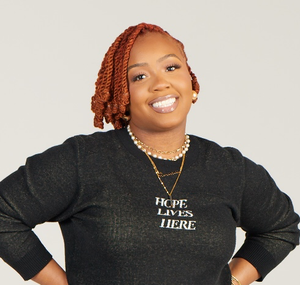
I am a four-time author. My first two books — The Words I Didn't Listen To and IKIGAI: Love Is Not Enough, Nor Is It the Answer — I wrote, formatted, designed, and published myself. No publishing house. No budget. Just me, a laptop, and a deadline I gave myself.
And I was proud of them. I still am.
But the covers? When I look back at what I launched with, I know I could have done better. I was just trying to get the thing out. The message inside was right. The cover was an afterthought.
That cost me. My book covers felt like the ones people would scroll past, put down, and not pick back up. They felt like…book covers, and not art. Art gets revisited, talked about, shared, and is loved!
Ten years later, I redesigned them. I want to save you from this mistake.
We Say We Don't Judge Book Covers. We Do.
Let's be honest. The phrase "don't judge a book by its cover" exists because we constantly do it.
According to a 2023 survey of 2,000 adults conducted by OnePoll on behalf of ThriftBooks, 57% of Americans have bought or read a book based solely on its cover. And 80% have avoided a book because of its outward appearance: because the cover looked too plain, used a font they didn't like, or featured art that didn't match the genre.
That's not shallow. That's human. Your brain processes images faster than words. A cover makes you feel something before you read a single sentence. That feeling is a bit of a promise—maybe "this is for you" or "this isn't."
When my covers weren't doing their job, they weren't making that promise.
What a Book Cover Actually Communicates
A book cover isn't decoration. It's your first sentence.
It tells a reader what kind of story this is, whether they can trust the person who made it, and whether the content inside will honor their time. When my original covers didn't say that — when they said self-published, first draft, figuring it out — readers heard it. Even if they couldn't articulate why.
Redesigning them ten years in wasn't about shame. I actually still love my original covers. In full transparency, I love the original cover of The Words I Didn’t Listen To MUCH more than I like the original of IKIGAI. But both deserved more effort than what I gave them the first time around. The message outside finally matched what was being communicated on the inside.
A cover is your first point of sale. And research shows that redesigning a cover well can lead to increased sales! Don’t wait until there are potentially low sales to think about your first impression.
How to Get Your Book Cover Right the First Time
Here's what I learned the hard way.
1. Hire a professional book cover designer. Not a general graphic designer.
There's a difference. A great graphic designer can make something beautiful. But a book cover designer understands genre signals, thumbnail readability, spine layout, back cover hierarchy, and what makes a cover work at 200 pixels on an Amazon listing. Those are specific skills. You want someone who has them.
I actually did hire someone the second time around, before I went and designed them myself. And I hated my options.
Not because the designer was bad at design—but because I hadn't done the work of knowing what I wanted before I handed off the project and that the skills between a cover designer and graphic designer are different. So I got options that were technically fine and completely wrong for the book.
That's on me—and it's a mistake I see authors make constantly.
2. Study the covers that are already selling.
Before you brief anyone (and your designer should ask you for a brief!), spend time on Amazon in your genre. Look at the bestseller lists, not to copy, but to understand the visual language readers already associate with that kind of story. What fonts are showing up? What color palettes? What imagery? You're joining a conversation, and your cover needs to speak the right language while still standing out.
3. Build a reference folder before the first conversation.
Pull 10–15 covers you love and 5–10 you want nothing to do with. For each one, be able to say why. This is the homework that makes a designer's job possible and your outcome predictable. Without it, you're asking someone to read your mind—and that's not fair to either of you.
4. Ask for a designer's portfolio of books that have actually sold.
Anyone can show you a beautiful mockup. What you want to see is: have the covers this person designed shown up in the market? Do they understand how a cover functions in the real world — not just how it looks in a portfolio? Ask specifically about their experience with your genre. Ask what's performing.
5. Be prepared to give real feedback.
"I don't love it" is not feedback. "The title font feels too light for a memoir — I want something with more weight" is feedback. The more specific you can be about what's working and what isn't, the faster you'll get to something that's actually right.
Book Covers Aren’t Just for Books
This isn't just about books.
Your headshot. Your website. Your Instagram grid. Your logo. Your proposal. All of it is a cover. All of it is making a promise before you say a word.
I help people write and design because I've lived on both sides of this. I know what it feels like to have the right words in the wrong package—and I know the difference it makes when those things align.
The right words at the right time can change everything. That starts with the cover.
Ready to get your words — and your design — right? Let's talk.